
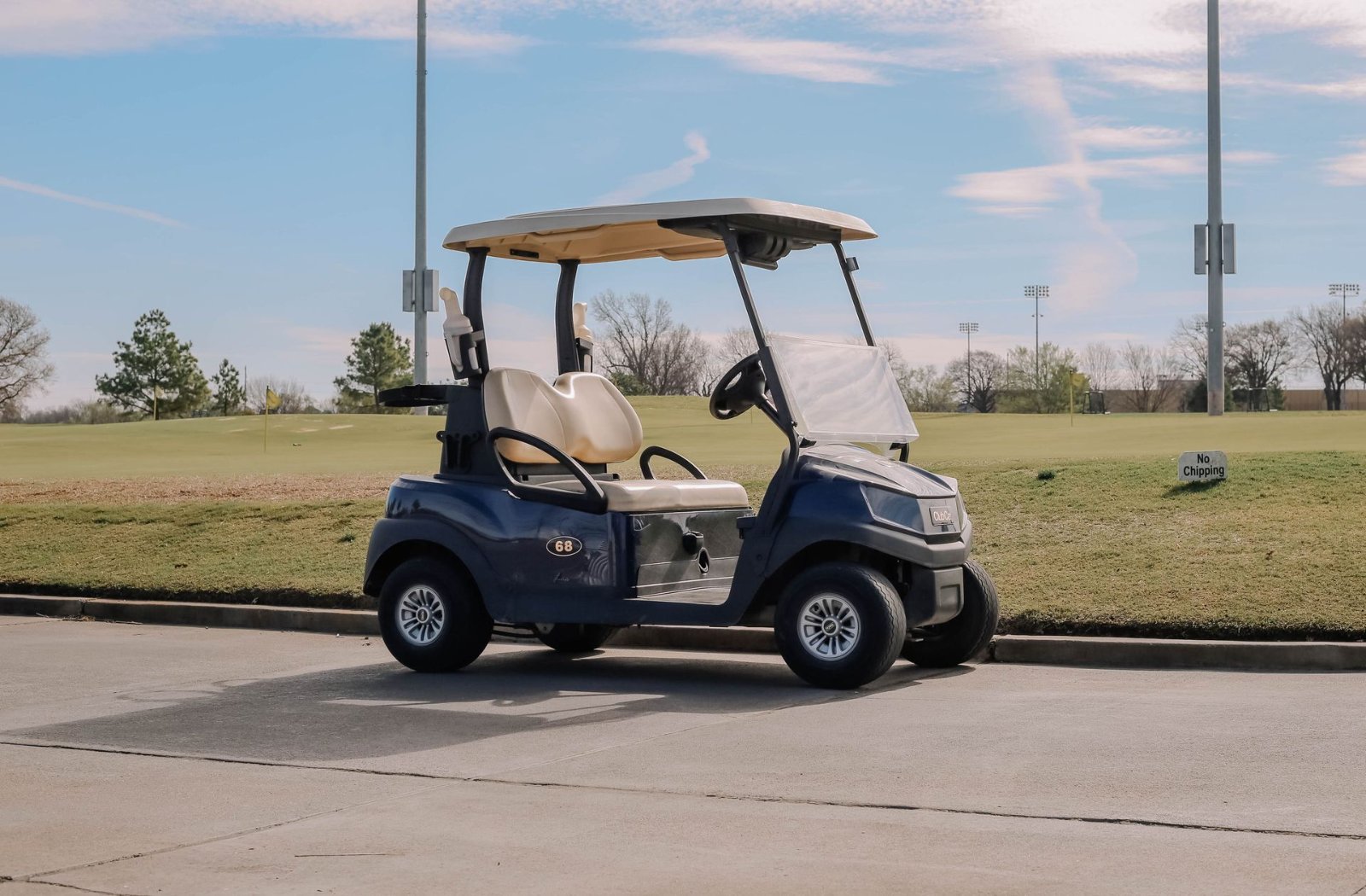
Most golf cart owners in Wellington, FL do the right thing — they bring their cart in for scheduled service, get it checked out, and feel good about keeping things running smoothly. But here’s something that might surprise you: a lot can happen to your golf cart between those appointments that quietly chips away at performance, safety, and longevity. Understanding what’s going on under the hood (or under the seat, as the case may be) between service visits can save you money, prevent breakdowns, and extend the life of your cart significantly.
Whether you’re cruising through one of Wellington’s many equestrian communities, rolling through a neighborhood, or using your cart on the course, the wear and tear that accumulates between service visits is real. And it doesn’t always announce itself with obvious warning signs. That’s what makes it so tricky — and so important to understand.
This guide walks you through what’s actually happening to your golf cart between scheduled maintenance appointments, what you should be watching for, and how to stay ahead of problems before they become expensive repairs. We’ve also pulled in some insight from the team at South Florida Golf Carts, a trusted resource for cart owners throughout the Wellington area.
The Hidden World of Gradual Wear and Tear
Golf carts are deceptively simple-looking machines. Four wheels, a seat, a motor, and a battery or engine — how complicated could it be? The truth is, there are dozens of moving parts, electrical connections, fluid systems, and structural components that are all subject to wear every single time you take your cart out for a spin.
The challenge is that this wear is gradual. It doesn’t happen all at once. Instead, it accumulates in small increments, often invisibly, until one day something stops working or your performance noticeably drops. By the time you notice, the damage has usually been building for weeks or even months.
What “Normal Wear” Actually Looks Like
Normal wear isn’t a dramatic event. It’s the slow compression of a bushing, the gradual oxidation of a battery terminal, the tiny bit of brake pad that disappears with every stop. Each individual instance of wear is almost meaningless. But over dozens of rides and hundreds of miles, those tiny changes add up to something that can affect how your cart drives, how safely it stops, and how long it lasts.
In South Florida’s climate — and Wellington is no exception — the heat and humidity accelerate many of these processes. Rubber components dry out and crack faster. Metal corrodes more quickly. Battery fluid evaporates at a higher rate. The subtropical environment that makes Wellington such a wonderful place to live is, unfortunately, not particularly kind to golf cart components.
Battery Health: The Biggest Thing Happening Between Services
If you own an electric golf cart, battery health is the single most important thing happening between your service appointments. And it’s also one of the most misunderstood areas of golf cart ownership.
How Batteries Degrade Between Visits
Lead-acid batteries — the most common type in traditional golf carts — undergo a chemical process every single time they’re charged and discharged. Over time, lead sulfate crystals form on the battery plates, a process called sulfation. If this sulfation isn’t managed properly, it permanently reduces the battery’s capacity to hold a charge.
Between service appointments, a few things can accelerate this degradation:
Improper charging habits are a major culprit. Letting your batteries run completely dead before charging, or leaving them on a charger that doesn’t have an automatic shutoff, can both cause damage. Many cart owners don’t realize that overcharging is just as harmful as undercharging.
Water levels in flooded lead-acid batteries drop between services. The electrolyte solution inside these batteries evaporates, especially in Wellington’s heat. When the water level drops too low, the battery plates are exposed to air, which causes irreversible damage. This is something that needs to be checked and corrected every few weeks, not just at service time.
Corrosion on battery terminals builds up gradually. This white or bluish-green buildup increases electrical resistance, which means your cart has to work harder to draw power, which in turn stresses the batteries further. It’s a cycle that compounds itself.
What You Should Be Doing Between Battery Service Appointments
The good news is that battery maintenance between professional service visits doesn’t have to be complicated. Here’s what makes a real difference:
Check your water levels every 2-4 weeks if you have flooded lead-acid batteries. Use only distilled water, never tap water. Add water after charging, not before. Keep the tops of your batteries clean and dry. And make sure your charger is working properly — a faulty charger can silently damage your batteries over weeks without you knowing it.
“Battery maintenance is the number one thing we see neglected between service visits. In our South Florida heat, water levels can drop faster than people expect, and by the time a cart comes in for its next service, the damage is already done. A few minutes of attention every couple of weeks can add years to your battery pack’s life.” — South Florida Golf Carts Service Team
Tire Pressure and Condition: More Important Than You Think
Golf cart tires don’t get nearly the attention they deserve. Most owners check their tires only when something looks obviously wrong — a flat, a bulge, or a crack they can see from several feet away. But tire health between service appointments involves much more subtle changes that have a real impact on ride quality, handling, and safety.
The Slow Leak Problem
Tire pressure doesn’t stay constant. Even a perfectly healthy tire loses a small amount of pressure over time through natural permeation. In Wellington’s heat, pressure fluctuates with temperature changes. A tire that was properly inflated in the morning may be slightly over or under-inflated by the afternoon. Over weeks and months, these fluctuations add up.
Running on improperly inflated tires affects more than just your ride comfort. Under-inflated tires wear unevenly, reducing their lifespan and potentially creating handling problems. Over-inflated tires reduce your contact patch with the ground, which can make your cart less stable, particularly on turns or uneven terrain.
Sidewall and Tread Degradation
Wellington’s sun is intense, and UV radiation is one of the primary enemies of rubber compounds. Between service visits, your tires are being slowly broken down by UV exposure, heat, and ozone in the air. The rubber compounds oxidize, the sidewalls develop fine cracks (called checking or crazing), and the overall structural integrity of the tire gradually diminishes.
This process is largely invisible until it’s fairly advanced. A tire can look reasonably okay from a distance while already having compromised sidewall integrity. This is why having a professional take a close look at your tires during service is so important — but it’s also why you should be doing a quick visual inspection yourself every week or two between visits.
Brake System: What’s Happening Every Time You Stop
Every time you press the brake pedal on your golf cart, a small amount of brake material is transferred to your brake drum or rotor. This is normal and expected. But between service appointments, this cumulative wear can reach a point where braking performance is noticeably reduced — sometimes before any obvious warning signs appear.
Brake Adjustment Drift
On drum brake systems (which are common on golf carts), the brakes need periodic adjustment as the brake shoes wear down. As the material wears away, the shoes sit slightly further from the drum, which means you have to press the pedal further before the brakes engage. This gradual drift in brake feel is so slow that most drivers adapt to it without realizing it — until one day they need to stop quickly and discover the brakes aren’t as responsive as they expected.
Cable Stretch and Corrosion
Brake cables stretch over time. They also corrode, particularly in Wellington’s humid environment. A corroded or stretched cable doesn’t transmit braking force as efficiently, which reduces stopping power. This is another example of something that happens slowly between service visits, often without obvious warning signs until the problem becomes significant.
If you notice your cart taking longer to stop, if the brake pedal feels different than it used to, or if you hear any squealing or grinding when braking, don’t wait for your next scheduled service. Get it looked at right away.
Electrical Systems: The Silent Degradation
Modern golf carts — especially the newer electric models that South Florida Golf Carts carries and services — have increasingly sophisticated electrical systems. And electrical systems are particularly susceptible to the kind of slow, invisible degradation that happens between service appointments.
Connection Corrosion
Electrical connections throughout your cart are constantly exposed to humidity, heat, and vibration. Over time, these factors cause oxidation at connection points, which increases electrical resistance. Higher resistance means more heat is generated, which accelerates further corrosion, which increases resistance further. It’s a vicious cycle.
The symptoms can be subtle at first — slightly reduced performance, occasional hesitation when accelerating, or lights that seem a little dimmer than they used to be. Left unaddressed, corroded connections can eventually cause complete circuit failures or even electrical fires.
Controller and Solenoid Wear
The controller in an electric golf cart is essentially the brain of the vehicle. It manages power delivery from the batteries to the motor. Between service visits, the controller is subject to heat cycling (heating up during use, cooling down when parked), which stresses its internal components over time. Solenoids — the electromagnetic switches that control power flow — also experience wear with every activation.
These components don’t usually fail suddenly. They degrade gradually, and the symptoms can be easy to miss or attribute to other causes. A cart that seems slightly less responsive than it used to be, or that occasionally hesitates when you press the accelerator, may be experiencing early controller or solenoid issues.
Steering and Suspension: The Comfort and Safety Connection
Wellington’s roads, paths, and courses aren’t perfectly smooth. Every bump, dip, and uneven surface your cart travels over puts stress on your steering and suspension components. Between service appointments, this stress accumulates in ways that affect both your comfort and your safety.
Bushing and Ball Joint Wear
Rubber bushings throughout your cart’s suspension system gradually compress and crack with use and UV exposure. Ball joints wear as their internal components move against each other under load. As these components degrade, you may notice your cart handling slightly differently — a bit more looseness in the steering, more body movement over bumps, or a tendency to pull to one side.
These changes are gradual enough that many drivers don’t notice them until they’re quite pronounced. But even moderate wear in these components affects handling precision, which matters for safety — especially at higher speeds or on slopes.
Leaf Spring and Shock Absorber Fatigue
If your cart has leaf springs or shock absorbers, these components are absorbing energy with every bump and dip in the road. Over time, they fatigue. Shocks lose their damping ability, and springs can take on a slight set (permanent deformation). The result is a cart that doesn’t handle bumps as smoothly, which can affect both comfort and stability.
Regular inspection of steering and suspension components between professional service visits can catch wear before it becomes a safety issue. If your cart feels different than it did six months ago, that feeling is usually telling you something important.
Drive System: Belts, Clutches, and Gears
For gas-powered carts and some electric models, the drive system includes components like drive belts, clutches, and gear assemblies. These components experience significant stress during normal operation and undergo meaningful wear between service appointments.
Drive Belt Wear and Stretch
Drive belts in golf carts (particularly in CVT-style transmissions) are under constant tension and experience significant heat from friction. They stretch slightly over time and can develop glazing on their contact surfaces. A worn or glazed belt slips more, which reduces power transfer efficiency and generates more heat — which accelerates further wear.
Between service visits, you might notice this as reduced acceleration, a slight burning smell after use, or a high-pitched squealing sound during acceleration. These are all signs that your drive belt needs attention sooner rather than later.
Clutch Component Wear
The clutch system in a golf cart — both the primary (drive) clutch and the secondary (driven) clutch — involves multiple moving parts including rollers, springs, and sheaves. These components wear with every engagement and disengagement of the clutch system. Worn clutch components affect the smoothness of acceleration and the efficiency of power transfer.
Fluid Systems: What’s Changing Between Oil Changes
For gas-powered golf carts, engine oil is doing critical work between service appointments. And it’s changing the whole time it’s doing that work.
Oil Degradation
Engine oil doesn’t just lubricate — it also cools, cleans, and protects engine components. But as it does this work, it breaks down. Heat causes the oil’s molecular structure to change, reducing its viscosity and lubricating properties. Combustion byproducts contaminate the oil. Moisture from condensation dilutes it. By the time your next service appointment rolls around, the oil in your engine may be significantly degraded compared to what was put in at your last service.
In Wellington’s heat, this degradation happens faster than it would in a cooler climate. If you’re using your cart frequently, you may need oil changes more often than the standard recommendation suggests.
Coolant and Other Fluids
Some golf cart engines are liquid-cooled and have coolant systems that require attention. Coolant degrades over time, becoming more acidic and less effective at transferring heat. It can also develop sediment that clogs cooling passages. Between service appointments, coolant is quietly becoming less effective at its job.
What You Can Do Between Service Appointments
Understanding what’s happening between service visits is only useful if it motivates action. Here’s a practical maintenance routine that Wellington golf cart owners can follow to stay ahead of problems between professional service appointments.
Weekly Quick Checks
A weekly inspection doesn’t need to take more than five minutes. Walk around your cart and look at the tires — do they look properly inflated? Any obvious damage or unusual wear? Check that all lights are working. Listen to how the cart sounds when you start it and begin moving — anything different from normal? Look under the cart for any signs of fluid leaks.
Bi-Weekly Battery Maintenance
If you have flooded lead-acid batteries, check water levels every two weeks. Top up with distilled water as needed. Clean any corrosion from terminals using a mixture of baking soda and water, followed by a rinse with clean water. Make sure all battery connections are tight and secure.
Monthly Deeper Inspection
Once a month, take a little more time to inspect your cart more thoroughly. Check tire pressure with a gauge rather than just eyeballing it. Test your brakes in a safe area — do they feel the same as they did last month? Check your brake cable for visible corrosion. Inspect your drive belt (if accessible) for visible wear or cracking. Look at your wiring for any signs of damage or corrosion at connection points.
Keep a Simple Log
One of the most useful things you can do is keep a simple log of your cart’s performance and any observations you make during your regular inspections. Note the date, mileage or hours, and anything you noticed. This log is invaluable when you bring your cart in for service — it gives the technician context that can help them identify issues more quickly and accurately.
When to Call South Florida Golf Carts Between Scheduled Services
There are certain signs that should prompt you to reach out to a professional before your next scheduled appointment. The team at South Florida Golf Carts, which serves the Wellington area and surrounding communities, recommends not waiting if you notice any of the following:
Unusual sounds — Any new clicking, grinding, squealing, or humming that wasn’t there before deserves attention. Sounds are often the first indication of a developing mechanical problem.
Changes in performance — If your cart is slower than it used to be, takes longer to stop, or handles differently, something has changed and it’s worth finding out what.
Electrical anomalies — Flickering lights, gauges that read differently than normal, or a charger that seems to behave differently are all worth investigating.
Visible damage — Any cracks, leaks, fraying, or corrosion that you can see during your regular inspections should be evaluated by a professional.
Smell — Burning smells, particularly after use, are a serious warning sign. Whether it’s electrical, mechanical, or from the brakes, a burning smell means something is wrong.
Don’t let the “it’s just a golf cart” mentality delay necessary repairs. A golf cart that’s used regularly on public roads or paths is a vehicle that needs to be safe and reliable. Catching problems early is almost always less expensive than dealing with them after they’ve progressed.
The Wellington Environment: Special Considerations
Living and riding in Wellington, FL comes with some specific environmental factors that affect how quickly your golf cart’s components wear between service appointments. Being aware of these factors helps you calibrate your maintenance habits appropriately.
Heat and UV Exposure
Wellington’s sunshine is intense, and UV radiation degrades rubber, plastic, and even some metal components faster than in cooler climates. If your cart sits outside regularly, consider a cover to protect it from direct sun exposure. This simple step can meaningfully extend the life of rubber components, seating, and plastic trim.
Humidity and Corrosion
South Florida’s humidity creates a challenging environment for metal components and electrical connections. Corrosion happens faster here than in drier climates. This means that between service appointments, you should be particularly attentive to any signs of rust or oxidation on metal parts and corrosion on electrical connections.
Seasonal Considerations
Wellington’s rainy season brings additional challenges. Water intrusion into electrical components, mud and debris getting into mechanical components, and increased humidity all accelerate wear. If you’re using your cart regularly during the rainy season, you may want to schedule service appointments more frequently or at least do more thorough between-service inspections during this period.
The Bottom Line: Partnership Between You and Your Service Team
Scheduled service appointments with professionals like the team at South Florida Golf Carts are essential. But they’re not the whole picture. What happens between those appointments — in your garage, on your driveway, during your regular rides through Wellington — matters just as much.
The most successful golf cart owners treat maintenance as a partnership. They rely on professional technicians for the expertise, tools, and thorough inspections that require professional knowledge. But they also take responsibility for the between-visit care that keeps small problems from becoming big ones.
Understanding what’s happening under your hood (and under your seat, and inside your battery compartment) between service appointments gives you the knowledge to be a better caretaker of your investment. It helps you catch warning signs early, make informed decisions about when to call for help, and have more productive conversations with your service team when you do bring your cart in.
Your golf cart is a significant investment and, for many Wellington residents, an important part of daily life. Treat it accordingly — not just twice a year at service appointments, but every week, with the kind of attentive care that keeps it running safely and reliably for years to come.
If you have questions about what your specific cart needs between service appointments, or if you’ve noticed something during one of your inspections that you’d like a professional to evaluate, reach out to South Florida Golf Carts. Their team understands the specific challenges of operating golf carts in Wellington and throughout South Florida, and they’re a valuable resource whether you need a full service, a quick check, or just some expert advice on keeping your cart in top shape between visits.