
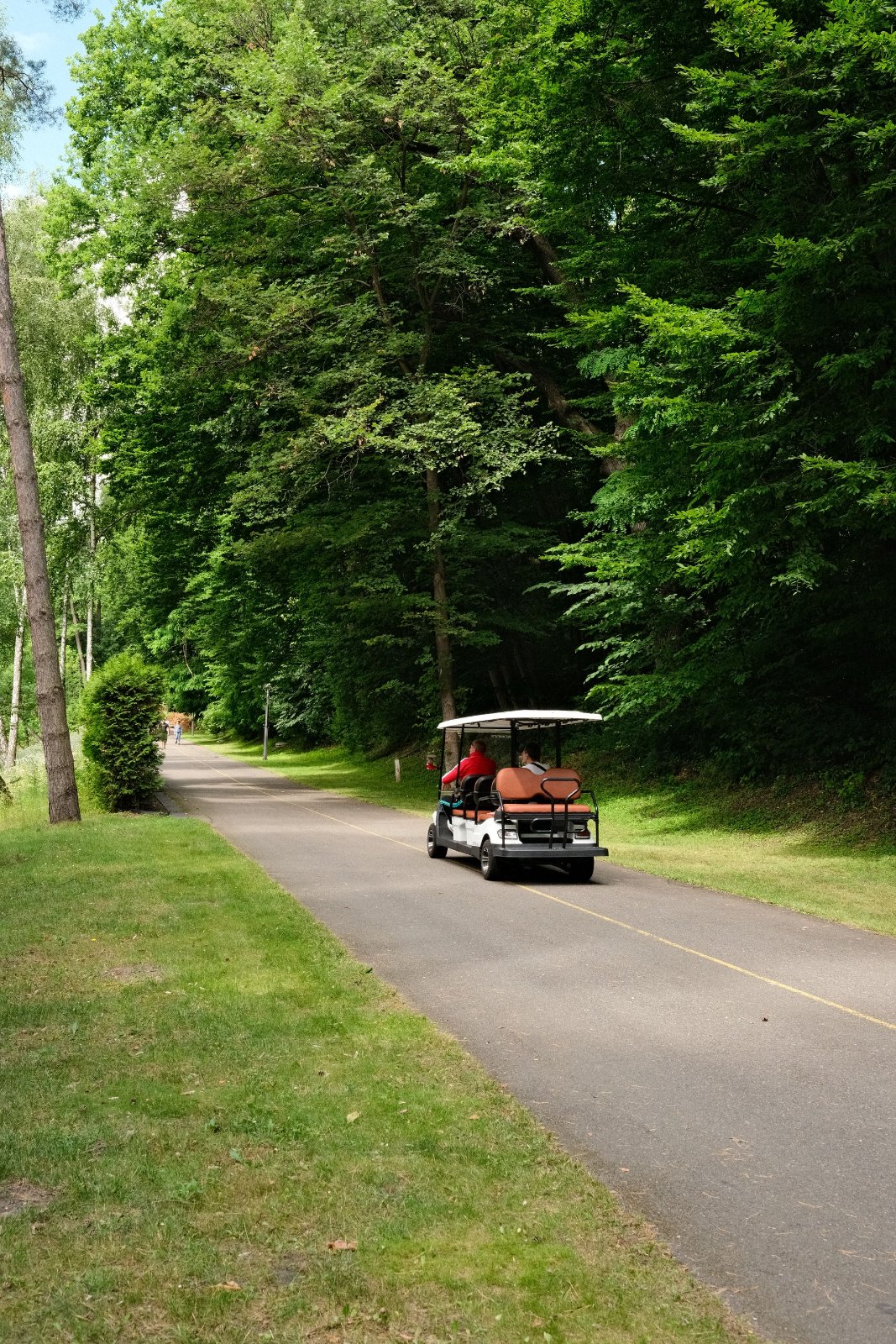
If you own a golf cart in Wellington, Florida, you already know how essential these vehicles are for getting around — whether you’re cruising through a golf community, navigating a retirement village, or simply enjoying the warm South Florida lifestyle. But when something feels “off” with your ride, it’s tempting to roll up your sleeves and try to fix it yourself before calling in a professional. While that DIY spirit is admirable, the front suspension system is one area where well-meaning owners often make costly mistakes that turn a minor repair into a major bill.
In this article, we’ll walk you through the most common — and most expensive — front suspension mistakes golf cart owners make before picking up the phone. We’ll also share some advice from the experts at South Florida Golf Carts, a trusted name in the Wellington area for golf cart sales, service, and repair. Whether you’re a first-time owner or a seasoned cart enthusiast, this guide could save you hundreds — or even thousands — of dollars.
Why the Front Suspension Deserves Special Attention
The front suspension system on a golf cart is more complex than most people realize. Unlike the rear, which typically handles propulsion and basic load bearing, the front suspension is responsible for steering precision, ride quality, and overall vehicle safety. It absorbs road shock, keeps the tires in proper contact with the ground, and ensures that your cart responds predictably when you turn the wheel.
In Wellington, Florida, golf carts often travel on a mix of paved paths, shell rock driveways, grass fairways, and even public roads in designated communities. This varied terrain puts real stress on front suspension components, including spindles, A-arms, tie rods, kingpins, leaf springs, and shock absorbers. When any one of these components begins to fail, the symptoms can be subtle at first — a slight pull to one side, a faint clunking noise, or a bit of shimmy at higher speeds. That’s when owners start making mistakes.
Mistake #1: Ignoring Early Warning Signs and Hoping They Go Away
This is perhaps the most universal mistake, and it’s one that costs golf cart owners dearly. When a front suspension problem is in its early stages, the symptoms are easy to dismiss. Maybe there’s a slight vibration when you hit a bump, or the cart drifts a little when you’re going straight. It’s easy to chalk these up to uneven pavement or an improperly inflated tire.
But here’s the reality: suspension issues almost never resolve themselves. In fact, they compound. A worn tie rod end, for example, creates uneven stress on adjacent components. Left unaddressed, it can accelerate wear on the spindle, the steering gear, and even the tires. What started as a $50 tie rod end replacement can balloon into a $400+ repair involving multiple components.
“We see it all the time,” says the service team at South Florida Golf Carts in Wellington. “Someone comes in after months of ignoring a clunking noise, and by that point, the damage has spread to three or four different parts. Early diagnosis is always cheaper.”
If your cart is pulling to one side, making unusual noises over bumps, or feels unstable during turns, take it seriously. Schedule an inspection sooner rather than later.
Mistake #2: Attempting to Diagnose Suspension Problems Without the Right Knowledge
The second major mistake is trying to self-diagnose a suspension problem without a solid understanding of how these systems work. Golf cart forums and YouTube videos can be helpful resources, but they can also lead you down the wrong path if the symptoms you’re experiencing don’t match the exact make and model being discussed.
For instance, a clunking sound from the front end could indicate a worn kingpin, a loose A-arm bolt, a failing shock absorber, or even a cracked leaf spring. Each of these issues requires a different repair approach and different parts. Misdiagnosing the problem means buying the wrong parts, doing the wrong repair, and potentially masking the real issue — which continues to worsen in the background.
Common Misdiagnoses That Lead to Wasted Money
Some of the most frequent misdiagnoses we hear about from Wellington golf cart owners include:
Replacing shocks when the real issue is worn A-arm bushings. New shocks won’t fix the clunking if the bushings are the actual culprit. You’ll have spent money on shocks and still have the original problem.
Tightening loose bolts when kingpins are actually worn. If kingpins are worn beyond tolerance, tightening bolts is a temporary fix at best. The play in the steering will return quickly, and you’ll have lost time without solving anything.
Blaming the tires for steering pull when alignment is the issue. Rotating or replacing tires won’t correct a front-end alignment problem. The cart will continue to pull, and the new tires will wear unevenly just like the old ones did.
Mistake #3: Using Incorrect or Low-Quality Replacement Parts
When a golf cart owner does identify a suspension problem, the next temptation is to save money by purchasing the cheapest available replacement parts. This is understandable — golf cart ownership is supposed to be an affordable alternative to other vehicles, and nobody wants to overpay for repairs. However, using low-quality or incorrect parts in the front suspension can create serious safety hazards and cost more in the long run.
Front suspension components bear significant stress during normal operation. A cheap tie rod end made from inferior metal can fail suddenly, causing a loss of steering control. A poorly fitting spindle can create alignment issues that destroy tires in a matter of weeks. In Wellington, Florida, where golf carts are often used in communities with mixed traffic and pedestrian areas, a sudden steering failure is not just expensive — it can be dangerous.
Why OEM and Quality Aftermarket Parts Matter
Original Equipment Manufacturer (OEM) parts are designed specifically for your cart’s make and model, ensuring proper fit and performance. Quality aftermarket parts from reputable brands can also be a good option, as long as they meet or exceed OEM specifications. The key is knowing the difference between a quality aftermarket part and a cheap knockoff.
The team at South Florida Golf Carts in Wellington stocks OEM and quality aftermarket suspension components for all major golf cart brands, including Club Car, EZGO, and Yamaha. Having access to the right parts — and the knowledge to install them correctly — is one of the biggest advantages of working with a reputable local dealer rather than ordering random parts online.
Mistake #4: Over-Tightening Suspension Bolts and Components
One of the most counterintuitive mistakes owners make is over-tightening suspension hardware. The logic seems sound: tighter equals more secure, right? Unfortunately, that’s not how suspension systems work. Many suspension components — particularly those involving bushings, ball joints, and pivot points — need to be torqued to specific specifications. Over-tightening can crush bushings, crack mounting brackets, strip threads, or cause premature wear on pivot points.
Golf cart suspension bolts are typically made from materials that have specific torque tolerances. Exceeding these tolerances can weaken the bolt itself, making it more likely to fail under stress. In some cases, over-tightened components bind up, preventing the suspension from moving freely as it should, which leads to a harsh, uncontrolled ride and accelerated wear on every connected component.
Always use a torque wrench and refer to your cart’s service manual for proper torque specifications. If you don’t have the manual, a qualified technician can provide this information before you begin any work.
Mistake #5: Neglecting Wheel Alignment After Any Suspension Work
This is one of the most costly oversights in golf cart front suspension maintenance. Any time a suspension component is replaced or adjusted — whether it’s a tie rod, A-arm, spindle, or kingpin — the wheel alignment must be checked and corrected afterward. Skipping this step is like painting a room without priming the walls first: the work looks done, but the foundation is flawed.
Improper wheel alignment causes uneven and accelerated tire wear. In Wellington’s warm climate, where golf carts are used year-round, tires that wear unevenly need to be replaced far more frequently. A set of golf cart tires that should last three to four years might only last one year if the alignment is off. That’s a significant added expense on top of whatever the suspension repair cost.
Beyond tire wear, misalignment affects handling. A cart that’s out of alignment will pull to one side, require constant steering correction, and put additional stress on tie rods and other steering components — setting the stage for the next round of suspension problems.
What Proper Alignment Involves
Golf cart front-end alignment involves checking and adjusting toe (the angle at which the tires point inward or outward when viewed from above), camber (the vertical angle of the tires when viewed from the front), and in some cases, caster (the angle of the steering axis). These adjustments require specific tools and knowledge of your cart’s specifications. It’s not a job that can be done accurately by eyeballing it in the driveway.
Mistake #6: Lifting the Cart Improperly Before Suspension Work
Before any front suspension work can be done, the cart needs to be safely elevated. This is where many DIY repairs go wrong from the very start. Using an improper jack, placing the jack under the wrong location, or failing to use jack stands can result in the cart falling — damaging the vehicle and potentially injuring the person working on it.
Golf carts have specific jack points that are designed to safely support the vehicle’s weight. Placing a floor jack under a body panel, plastic shroud, or unsupported frame section can cause structural damage in addition to creating an unsafe working environment. In South Florida’s heat, working quickly under a poorly supported cart is a recipe for disaster.
If you’re not comfortable safely lifting and supporting your golf cart, this is a strong signal that the suspension work should be left to professionals. The cost of a professional repair is always less than the cost of a cart that’s been damaged by an improper lift — or a personal injury.
Mistake #7: Attempting Suspension Repairs Without the Right Tools
Front suspension work often requires specialized tools that most homeowners don’t have in their garage. Kingpin removal tools, ball joint presses, torque wrenches, alignment gauges — these are not items you’ll find in a basic home tool kit. Attempting to substitute improvised tools for the real thing is a common source of both botched repairs and damaged components.
For example, trying to remove a pressed-in kingpin without the proper extractor tool often results in a damaged spindle or knuckle. Replacing those components adds significant cost to what should have been a straightforward repair. Similarly, attempting to press in new bushings without a proper press can result in misaligned or damaged bushings that fail prematurely.
The right tools don’t just make the job easier — they make it possible to do the job correctly. Investing in proper tools or hiring a professional who already has them is almost always the more economical choice.
Mistake #8: Failing to Address Root Causes
Sometimes golf cart owners successfully replace a worn component, only to find that the same part fails again within a short period. This frustrating cycle is usually the result of failing to address the root cause of the wear. In front suspension systems, components don’t wear out in isolation — they wear out because of how they’re being stressed.
Common root causes of accelerated front suspension wear include:
Overloading the cart: Consistently carrying loads beyond the cart’s rated capacity puts excessive stress on all suspension components, particularly the front end. This is especially relevant for utility carts used on properties or farms in the Wellington area.
Lift kit installation issues: Improperly installed lift kits change the suspension geometry, which can accelerate wear on components that weren’t designed to operate at the new angles. If your cart has a lift kit, it’s important to have it inspected by a professional who understands how the lift affects suspension dynamics.
Tire size mismatches: Running tires that are too large or too heavy for the cart’s suspension design increases stress on all front-end components and can cause premature wear even on new parts.
Terrain abuse: Regularly driving over rough terrain, deep ruts, or obstacles at speed subjects the front suspension to impacts it wasn’t designed to handle repeatedly. If you frequently drive on challenging terrain, more frequent suspension inspections are essential.
Mistake #9: Skipping Regular Suspension Inspections
Prevention is always less expensive than repair, yet many golf cart owners in Wellington, Florida never schedule routine suspension inspections. Because golf carts are relatively simple vehicles, it’s easy to assume that if nothing is obviously broken, everything is fine. But front suspension components wear gradually, and by the time a problem becomes obvious, significant damage has often already occurred.
A routine inspection by a qualified technician takes only a short time and involves checking all front suspension components for wear, looseness, corrosion, and damage. In South Florida’s humid, salt-air environment, corrosion is a real concern — even for carts that aren’t near the ocean. Wellington’s weather patterns, with heavy summer rains and high humidity, can accelerate corrosion on exposed metal suspension components.
How Often Should You Have Your Front Suspension Inspected?
As a general guideline, golf cart front suspensions should be inspected at least once a year for recreational users. If your cart sees heavy use — daily driving, utility work, or frequent rough terrain — twice-yearly inspections are a wise investment. South Florida Golf Carts offers comprehensive service packages that include front-end inspections as part of routine maintenance, making it easy for Wellington owners to stay on top of their cart’s condition.
Mistake #10: Waiting Until the Cart Becomes Unsafe to Drive
This final mistake is perhaps the most dangerous. Some golf cart owners continue driving their carts even after suspension problems become severe — the steering has significant play, the cart pulls hard to one side, or there’s a persistent grinding or clunking that has become part of the “normal” driving experience. This is not only damaging to the vehicle but potentially dangerous to the driver, passengers, and others in the community.
In Wellington’s golf communities and residential areas, where carts share paths with pedestrians, cyclists, and other vehicles, a cart with compromised steering or suspension is a genuine safety hazard. A sudden failure of a worn tie rod or kingpin can cause an immediate loss of steering control — a situation that can have serious consequences at any speed.
If your cart’s suspension has deteriorated to the point where you’re questioning whether it’s safe to drive, the answer is almost certainly no. Have it towed or transported to a qualified service center rather than risking a dangerous incident.
When to Call South Florida Golf Carts in Wellington
Knowing when to call a professional is just as important as knowing what not to do yourself. The experienced technicians at South Florida Golf Carts serve the Wellington area with expert golf cart repair and maintenance services. Their team has hands-on experience with all major golf cart brands and a deep understanding of the unique demands that South Florida’s environment places on these vehicles.
You should call a professional when:
You notice any of the early warning signs described in this article — pulling, clunking, shimmy, or vibration — and you’re not certain of the cause.
You’ve attempted a repair but the problem persists or has worsened.
You need alignment work after any suspension component replacement.
Your cart has a lift kit and you’re experiencing handling or suspension issues.
You want a comprehensive inspection to catch problems before they become expensive repairs.
South Florida Golf Carts is committed to providing honest, transparent service to golf cart owners throughout Wellington and the surrounding communities. Whether you need a quick inspection, a specific repair, or a full suspension overhaul, their team can provide the expertise and quality parts needed to get your cart back to its best.
Final Thoughts: Protecting Your Investment
Your golf cart is more than a convenience — in Wellington, Florida, it’s often a central part of daily life. Protecting that investment means taking front suspension problems seriously, avoiding the common DIY mistakes outlined in this article, and building a relationship with a trusted local service provider like South Florida Golf Carts.
The front suspension might seem like a minor system in a small vehicle, but it plays a critical role in safety, performance, and the long-term cost of ownership. Treating it with the respect it deserves — through timely inspections, quality repairs, and professional service when needed — will keep your cart riding smoothly for years to come and save you from the costly mistakes that too many owners learn about the hard way.
Don’t wait for a small problem to become an expensive one. If you’re in Wellington or anywhere in the South Florida area and you have concerns about your golf cart’s front suspension, reach out to South Florida Golf Carts today. A quick inspection could save you far more than you’d expect — and keep you riding safely all year long.