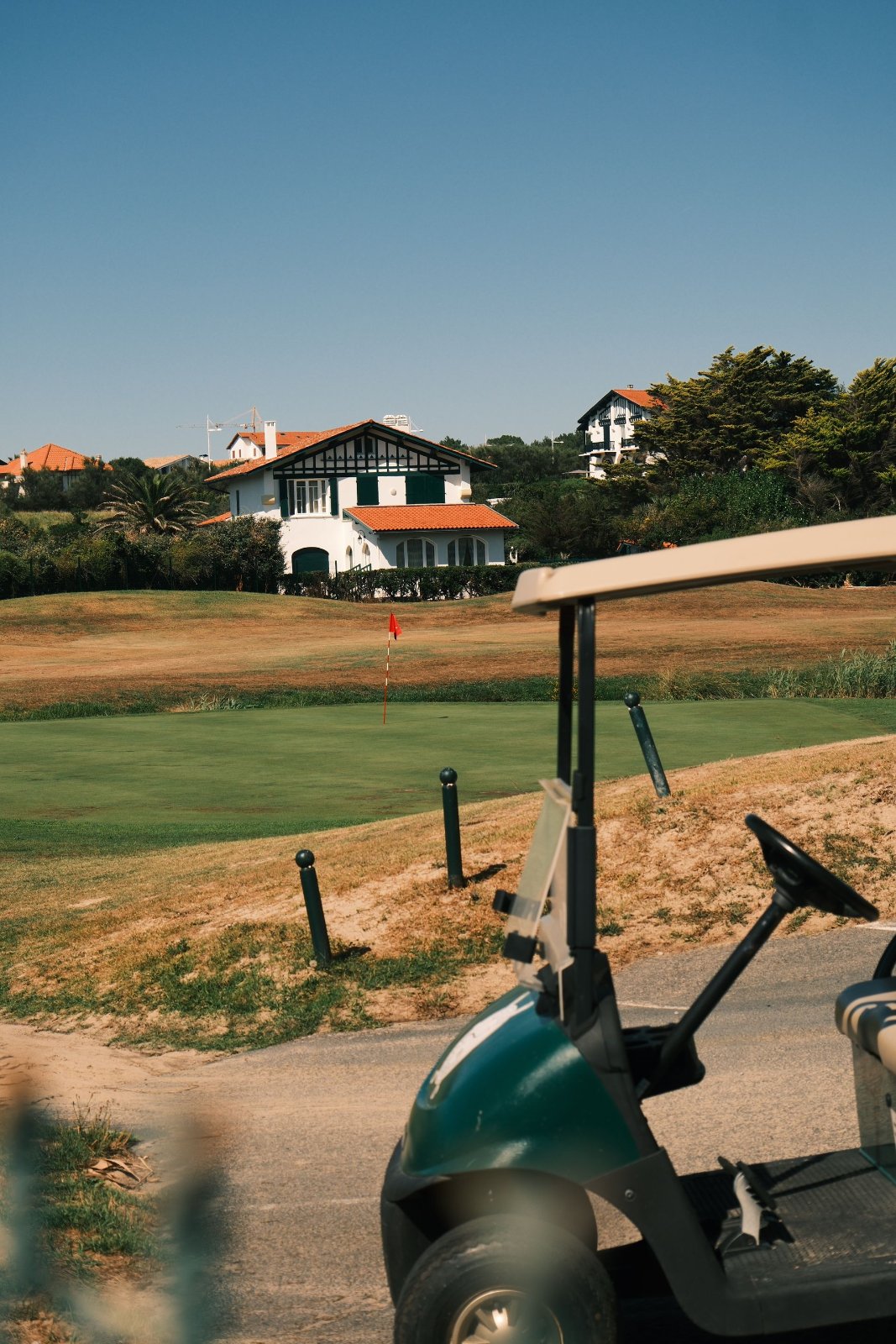
If you’ve ever been cruising through the beautiful neighborhoods of Wellington, Florida, and your golf cart suddenly starts acting up — sluggish acceleration, unexpected stops, or just plain weird behavior — you know how frustrating it can be. Golf carts are a way of life here in South Florida, whether you’re navigating the equestrian trails, heading to the clubhouse, or just doing a quick run to the corner store. When they break down, you want answers fast.
That’s exactly why we put together this comprehensive guide on the best diagnostic tools and replacement controllers for fixing golf cart performance issues. Whether you’re a hands-on DIY enthusiast or someone who prefers to leave it to the pros (like the talented team at South Florida Golf Carts right here in Wellington), this article will walk you through everything you need to know to get your cart running like new again.
Understanding Golf Cart Performance Issues: What’s Really Going On?
Before we dive into tools and controllers, it helps to understand what causes performance issues in the first place. Golf carts — whether electric or gas-powered — are surprisingly complex machines with multiple systems working together. When one component fails, it can create a ripple effect that impacts the entire vehicle.
In Wellington’s warm, humid climate, golf carts face unique challenges. The heat, occasional flooding, and year-round heavy use can accelerate wear on electrical components, corrode battery terminals, and stress motor controllers beyond their normal operating limits. Understanding the root causes of performance issues is the first step toward an effective fix.
Common Symptoms of Golf Cart Controller Problems
Not sure if your controller is the culprit? Here are some telltale signs that your golf cart’s controller might be failing:
- Jerky or inconsistent acceleration — The cart lurches forward or hesitates when you press the pedal
- Loss of top speed — Your cart used to zip along but now crawls even on flat ground
- Sudden shutdowns — The cart stops unexpectedly, especially under load or going uphill
- Burning smell — A sure sign of electrical overheating, often in the controller area
- Error codes on the display — Modern carts with onboard diagnostics will show fault codes
- No response to throttle — You press the pedal and nothing happens
If you’re experiencing any of these symptoms, it’s time to break out the diagnostic tools and start investigating. Let’s talk about what tools are worth having in your arsenal.
The Best Diagnostic Tools for Golf Cart Performance Issues
Diagnosing a golf cart problem is part science, part detective work. The right tools make the difference between a quick fix and hours of frustrating guesswork. Here’s a breakdown of the best diagnostic tools available for golf cart owners and technicians in Wellington and beyond.
1. Digital Multimeter (DMM)
The digital multimeter is the Swiss Army knife of golf cart diagnostics. No self-respecting cart owner or technician should be without one. A good DMM lets you measure voltage, current (amperage), and resistance — three critical values for diagnosing electrical problems.
For golf cart work, you’ll want a multimeter that can handle at least 200V DC (for 48V and 72V systems), measure continuity, and ideally include a diode test function. Popular brands like Fluke, Klein Tools, and AstroAI offer reliable models in various price ranges.
“A quality multimeter is your first line of defense against electrical gremlins. If you only buy one diagnostic tool, make it a good DMM.” — Advice from experienced golf cart technicians at South Florida Golf Carts
With a multimeter, you can check battery pack voltage, test individual cell voltages, measure voltage drop across connections, and verify that the controller is receiving and sending the right signals.
2. Battery Load Tester
Many golf cart performance issues that seem like controller problems are actually battery problems in disguise. A battery load tester applies a controlled load to your battery pack and measures how well the batteries hold up under stress — something a regular multimeter can’t do accurately.
For Wellington golf cart owners, battery testing is especially important. The South Florida heat is notoriously hard on lead-acid batteries, causing accelerated sulfation and water loss. A dedicated battery load tester like the Midtronics MDX or the Schumacher BT-100 can save you from replacing an expensive controller when your batteries are the real problem.
3. OBD-Style Golf Cart Diagnostic Scanners
Modern electric golf carts from brands like Club Car, E-Z-GO, and Yamaha are increasingly equipped with onboard diagnostic systems similar to those found in automobiles. Specialized diagnostic scanners can read fault codes, monitor real-time data, and even perform system resets.
Club Car Diagnostic Tools
For Club Car owners, the Precedent and Onward models use a CAN bus communication system. The Club Car Diagnostic Software (available through authorized dealers) or third-party tools like the Navitas TSX Programmer can interface with the controller to read error codes and adjust performance parameters.
E-Z-GO Diagnostic Tools
E-Z-GO’s RXV and Freedom TXT models with AC drive systems use a proprietary diagnostic interface. The E-Z-GO Diagnostic Tool (EDT) is the gold standard here, allowing technicians to read fault codes, view live sensor data, and program controller settings. South Florida Golf Carts keeps these tools on hand for comprehensive E-Z-GO service.
Yamaha Diagnostic Tools
Yamaha golf carts use the Yamaha Diagnostic System (YDS), which connects via a serial port on the cart. This tool provides access to fault histories, real-time monitoring, and controller calibration — essential for keeping Yamaha carts performing at their best in Wellington’s demanding conditions.
4. Clamp Meter (AC/DC)
A clamp meter allows you to measure current flow without breaking the circuit — you simply clamp it around a wire. This is incredibly useful for checking motor current draw, verifying that the controller is delivering the right amount of power, and identifying short circuits or excessive current draw that could indicate a failing motor or controller.
Look for a clamp meter with a DC current range of at least 400A for golf cart work, since electric carts can pull significant amperage under load. The Fluke 376 FC and the Klein Tools CL800 are both excellent choices for this application.
5. Handheld Oscilloscope or Logic Analyzer
This is more of an advanced tool, but if you’re getting serious about golf cart diagnostics, a handheld oscilloscope can reveal issues that a multimeter simply can’t see. It lets you visualize the PWM (Pulse Width Modulation) signal that the controller sends to the motor — giving you insight into whether the controller is functioning correctly at a signal level.
Tools like the Hantek DSO1D09 or the Owon HDS242S offer portable, affordable oscilloscope functionality that’s perfectly suited for golf cart diagnostics.
6. Infrared Thermometer or Thermal Camera
Heat is the enemy of golf cart controllers, and Wellington’s summer temperatures make thermal management even more critical. An infrared thermometer or, better yet, a thermal imaging camera can help you identify hot spots on the controller, motor, and wiring harness that indicate excessive resistance, failing components, or inadequate cooling.
The FLIR ONE Pro smartphone thermal camera attachment is a fantastic tool for this purpose, turning your phone into a powerful diagnostic instrument that can spot thermal anomalies before they become catastrophic failures.
The Best Replacement Controllers for Golf Cart Performance Issues
Once you’ve diagnosed the problem and confirmed that the controller is the issue, it’s time to talk replacements. Choosing the right controller is critical — the wrong one can damage your motor, limit your performance, or simply not work at all. Here’s a rundown of the best replacement controllers on the market for the most popular golf cart brands.
Understanding Golf Cart Controller Specifications
Before you buy a replacement controller, you need to understand a few key specifications:
- Voltage rating — Must match your battery pack voltage (36V, 48V, 72V, etc.)
- Current rating — Higher amperage controllers allow more power to the motor
- Motor compatibility — Series wound, separately excited (SepEx), or AC motors require different controllers
- Throttle input type — Potentiometer, 0-5V, or CAN bus throttle inputs
- Regenerative braking capability — Some controllers offer regen braking for extended range
Top Replacement Controllers for Club Car Golf Carts
Club Car is one of the most popular golf cart brands in Wellington, and for good reason — they’re reliable, well-built, and widely supported. Here are the best controller options for Club Car models:
Curtis 1268 Series Controller
The Curtis 1268 is widely considered the benchmark for Club Car DS and Precedent upgrades. Available in 400A, 500A, and 550A versions for 48V systems, these controllers offer smooth acceleration, programmable performance parameters, and excellent reliability. They’re a direct upgrade from the factory OEM controllers and are compatible with both series wound and permanent magnet motors.
Navitas TSX 600 Controller
The Navitas TSX 600 is a popular aftermarket choice for Club Car owners who want a significant performance boost. Rated at 600A for 48V systems, this controller offers impressive torque and speed improvements over stock, along with programmable settings via the Navitas app. It’s a great option for Wellington residents who use their carts on hilly terrain or need extra pulling power.
Top Replacement Controllers for E-Z-GO Golf Carts
E-Z-GO carts, particularly the RXV and TXT Freedom series, have specific controller requirements. Here are the top choices:
Curtis 1234SE AC Controller
For E-Z-GO RXV models with AC drive systems, the Curtis 1234SE is an excellent replacement or upgrade option. This controller supports regenerative braking, offers smooth and responsive acceleration, and is programmable for different performance profiles. It’s a direct-fit replacement for many RXV models and is well-regarded by professional technicians.
Alltrax AXE Series Controller
The Alltrax AXE series is a popular choice for E-Z-GO TXT models with series wound motors. Available in 300A, 400A, and 500A versions, these controllers are known for their durability and straightforward programming interface. The Alltrax AXE500 is particularly popular among Wellington golf cart enthusiasts who want reliable performance without breaking the bank.
Top Replacement Controllers for Yamaha Golf Carts
Yamaha carts have their own unique controller ecosystem. Here are the best options for Yamaha owners:
Yamaha OEM Replacement Controllers
For Yamaha Drive and Drive2 models, OEM replacement controllers from Yamaha are often the safest choice, ensuring full compatibility with the cart’s onboard diagnostics and control systems. While they’re more expensive than aftermarket alternatives, they provide peace of mind and full warranty coverage.
D&D Motor Systems SepEx Controllers
For older Yamaha models with separately excited motors, D&D Motor Systems offers excellent SepEx controllers that provide improved performance over aging OEM units. These controllers are well-suited for the demands of South Florida’s climate and terrain.
Universal High-Performance Controllers Worth Considering
Beyond brand-specific options, several universal controllers are worth considering for their performance and versatility:
Kelly Controls KDZ Series
The Kelly Controls KDZ series offers programmable AC motor controllers suitable for various golf cart platforms. With regenerative braking, thermal protection, and a wide voltage range, these controllers are a solid choice for custom builds or carts that have been converted to lithium battery systems — a growing trend among Wellington golf cart owners.
Sevcon Gen4 Controllers
The Sevcon Gen4 series represents the high end of golf cart controller technology. Used in commercial and industrial electric vehicles, these controllers offer exceptional performance, advanced diagnostics, and robust construction. They’re overkill for most recreational carts but are worth considering for heavy-duty or high-performance applications.
DIY Controller Replacement: What You Need to Know Before You Start
Replacing a golf cart controller is a moderately challenging DIY project. It’s not impossible for a mechanically inclined person, but there are some important considerations before you crack open the battery compartment.
Safety First: Working with High-Voltage Systems
Golf cart battery packs operate at 36V, 48V, or even 72V DC — voltages that can cause serious injury or death if mishandled. Always disconnect the battery pack before working on the controller, and use insulated tools rated for the voltages involved. If you’re not comfortable working with high-voltage electrical systems, please leave it to the professionals.
“We see a lot of DIY controller replacements go wrong because people underestimate the risks of working with high-voltage DC systems. There’s no shame in calling a professional — it can save you money and keep you safe.” — South Florida Golf Carts service team
Tools You’ll Need for Controller Replacement
If you do decide to tackle a controller replacement yourself, here’s what you’ll need:
- Insulated screwdrivers and wrenches
- Wire crimping tool and appropriate terminals
- Heat shrink tubing and heat gun
- Digital multimeter for verification
- Service manual for your specific cart model
- Laptop with programming software (for programmable controllers)
- Camera or smartphone (to document existing wiring before disconnecting)
Programming Your New Controller
Many modern replacement controllers require programming before they’ll work correctly with your golf cart. This involves setting parameters like maximum current, throttle response curves, speed limits, and regenerative braking intensity. Some controllers come pre-programmed for common applications, but fine-tuning them to your specific cart and preferences requires either a laptop with the manufacturer’s software or a dedicated programmer device.
If you’re not comfortable with the programming aspect, this is another area where professional help from a shop like South Florida Golf Carts can be invaluable. Getting the programming wrong can result in poor performance, motor damage, or safety issues.
When to Call the Professionals: South Florida Golf Carts in Wellington
Let’s be real — not every golf cart problem is a DIY fix. There are times when calling in the experts is not just the smart choice, but the necessary one. If you’re in Wellington or the surrounding Palm Beach County area, South Florida Golf Carts is your go-to resource for professional golf cart diagnostics, controller replacement, and performance upgrades.
The team at South Florida Golf Carts brings years of hands-on experience working with all major golf cart brands in Wellington’s unique environment. They understand the specific challenges that South Florida’s heat, humidity, and year-round use present, and they stock a comprehensive range of diagnostic tools and replacement parts to get your cart back on the road quickly.
Services Offered by South Florida Golf Carts
Whether you need a simple diagnostic check or a complete controller overhaul, South Florida Golf Carts offers a full range of services including:
- Comprehensive electrical system diagnostics
- Battery pack testing and replacement
- Controller diagnosis and replacement
- Motor testing and rebuilding
- Performance upgrades and programming
- Lithium battery conversion packages
- Preventive maintenance programs
For Wellington residents, having a reliable local golf cart service provider is invaluable. Rather than shipping your cart to a distant dealer or waiting weeks for parts, South Florida Golf Carts provides prompt, professional service that gets you back on the road — or the trail — as quickly as possible.
Preventive Maintenance: Avoiding Controller Problems in the First Place
As the saying goes, an ounce of prevention is worth a pound of cure. Here in Wellington, where golf carts often run year-round in challenging conditions, preventive maintenance is especially important for keeping your controller healthy and your cart performing at its best.
Regular Inspection Checklist
Make a habit of performing these simple checks regularly:
- Inspect wiring connections — Look for corrosion, loose connections, or frayed insulation, especially after heavy rain or flooding
- Check battery water levels — Low water in lead-acid batteries leads to overcharging, which stresses the controller
- Clean battery terminals — Corrosion increases resistance and can cause voltage spikes that damage controllers
- Monitor charging habits — Never leave a golf cart plugged in indefinitely with a faulty charger; overcharging is a leading cause of controller failure
- Check for water intrusion — After heavy rain, inspect the controller area for moisture, which can cause shorts and corrosion
- Listen for unusual sounds — Clicking, grinding, or buzzing from the controller area warrants immediate attention
The Importance of Proper Charging in South Florida’s Climate
Wellington’s hot climate accelerates battery degradation, and improperly charged batteries are one of the leading causes of premature controller failure. High temperatures increase battery internal resistance, which can cause the charger to work harder and deliver higher-than-normal voltages to the controller. Using a quality smart charger with temperature compensation — such as those from Lester or Delta-Q — can significantly extend both battery and controller life.
Upgrading Your Golf Cart’s Controller for Better Performance
Sometimes the goal isn’t just to fix a problem — it’s to make your cart perform better than it ever did from the factory. Controller upgrades are one of the most cost-effective ways to improve golf cart performance, and Wellington’s flat terrain (with occasional canal bridges and driveway inclines) is well-suited to the benefits that upgraded controllers provide.
Benefits of a High-Performance Controller Upgrade
Upgrading from a stock controller to a high-performance unit can deliver:
- Increased top speed — Go from 12 mph to 20+ mph with the right controller and motor combination
- Improved torque — Better hill-climbing ability and faster acceleration from a stop
- Smoother throttle response — Eliminate the jerky, on/off feel of older controllers
- Regenerative braking — Recover energy during braking to extend range on electric carts
- Programmable profiles — Switch between eco mode and performance mode depending on your needs
Pairing Controller Upgrades with Motor Upgrades
For maximum performance gains, a controller upgrade is often most effective when paired with a motor upgrade. High-performance motors from companies like D&D Motor Systems, Plum Quick Motors, or Advanced EV can take full advantage of a high-amperage controller’s capabilities. South Florida Golf Carts can help you select the right motor and controller combination for your specific cart and performance goals.
Conclusion: Keep Your Wellington Golf Cart Running at Its Best
Whether you’re a dedicated DIYer armed with a multimeter and a laptop, or someone who prefers to let the experts handle it, understanding the diagnostic tools and replacement controllers available for golf cart performance issues puts you in a much better position to make smart decisions about your cart’s maintenance and repair.
For Wellington, Florida residents, the combination of year-round use, hot and humid weather, and the central role golf carts play in daily life makes proper maintenance and timely repairs more important than ever. The right diagnostic tools — from a quality multimeter to a brand-specific scanner — can save you time and money by pinpointing problems quickly. And when it comes to replacement controllers, investing in quality brands like Curtis, Navitas, Alltrax, or Kelly Controls ensures that your cart performs reliably for years to come.
If you ever feel out of your depth, remember that South Florida Golf Carts is right here in Wellington, ready to help with everything from a quick diagnostic check to a full performance upgrade. Their experienced technicians understand the unique demands of South Florida golf cart ownership and are equipped with the tools, parts, and expertise to keep your cart running at its absolute best.
Don’t let a failing controller keep you off the road. With the right tools, the right parts, and the right support, your golf cart can be back to performing like new — ready for whatever Wellington’s beautiful streets, trails, and neighborhoods have in store.