
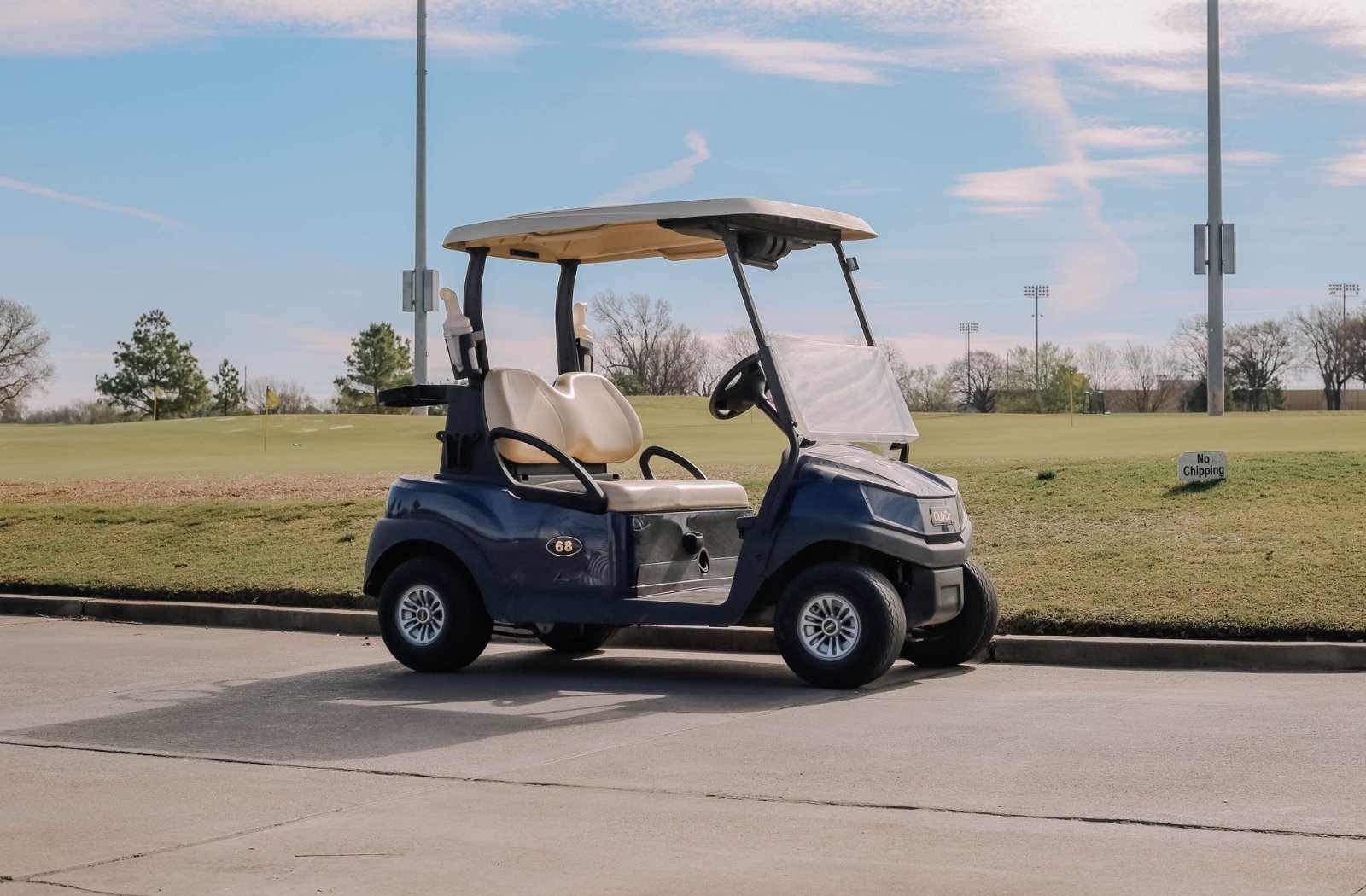
If you’ve been noticing your golf cart acting sluggish, clicking without moving, or refusing to start altogether this winter, you’re definitely not alone. Across Wellington, Florida and the surrounding Palm Beach County communities, golf cart owners and service shops are seeing a significant uptick in solenoid failures — and the culprit is the cooler-than-usual winter temperatures we’ve been experiencing lately.
Now, before you roll your eyes and think, “It’s Florida — how cold can it really get?” — fair point. But here’s the thing: even our relatively mild South Florida winters, with temperatures occasionally dipping into the 40s and low 50s at night, can put real stress on the electrical components in your golf cart. And when it comes to solenoids, that stress can mean the difference between a smooth morning ride and a cart that’s dead in the driveway.
In this article, we’re going to break down exactly what a solenoid does, why cold weather affects it, how to recognize the warning signs of a failing solenoid, and what you can do about it — whether you’re a DIY enthusiast or you’d rather leave it to the professionals at a trusted local shop like South Florida Golf Carts in Wellington.
What Is a Golf Cart Solenoid and Why Does It Matter?
Let’s start with the basics. If you’re not super technical, the word “solenoid” might sound intimidating, but the concept is actually pretty straightforward. A solenoid is essentially an electromagnetic switch — it’s the component that connects your battery pack to your motor when you press the accelerator pedal.
Think of it like a relay station. When you step on the gas, a small electrical signal from the controller or accelerator pedal travels to the solenoid. The solenoid then uses that signal to close a high-current circuit, allowing the full power of your battery pack to flow to the motor. Without a properly functioning solenoid, your cart simply can’t move — no matter how fully charged your batteries are.
The Two Main Types of Golf Cart Solenoids
There are generally two types of solenoids you’ll find in golf carts, and understanding which one you have matters when diagnosing problems:
4-Terminal Solenoids — These are the most common type found in older and many current electric golf carts. They have two large terminals (for the high-current battery and motor connections) and two small terminals (for the low-current activation signal). These are workhorses, but they do wear out over time.
5-Terminal Solenoids — These are found in more modern carts and some specialty applications. They have an additional terminal that provides feedback to the controller, allowing for more sophisticated diagnostics and control. These tend to be a bit more expensive to replace but are generally more reliable.
How Long Should a Solenoid Last?
Under normal conditions and with proper maintenance, a quality solenoid should last anywhere from 5 to 10 years, or roughly 500 to 1,000 operating hours. However, extreme temperature fluctuations, poor battery maintenance, and repeated heavy loads can significantly shorten that lifespan. This winter, many Wellington golf cart owners are finding that their solenoids — some of which were already showing early signs of wear — are finally giving up the ghost under the added stress of cold weather.
Why Cold Weather Is Especially Hard on Golf Cart Electrical Systems
Here’s where things get interesting from a technical standpoint. Cold temperatures affect electrical systems in several interconnected ways, and understanding these effects helps explain why we see so many failures clustered in the winter months.
Battery Voltage Drop in Cold Temperatures
Your golf cart’s battery pack — whether it’s lead-acid or lithium — doesn’t perform as well in cold weather. Chemical reactions inside the battery slow down as temperatures drop, which means your batteries deliver less voltage and amperage than they would on a warm day. This is especially true for traditional lead-acid batteries, which are still the most common type in golf carts across Wellington and the broader South Florida area.
When battery output drops, the solenoid has to work harder to maintain the connection under load. It may engage and disengage more frequently, or struggle to maintain a clean, consistent connection. Over time — and especially during repeated cold-morning starts — this extra strain accelerates wear on the solenoid’s internal components.
Metal Contraction and Electrical Resistance
Cold temperatures cause metal components to contract slightly. In a solenoid, this can affect the precision fit of internal moving parts, increasing friction and electrical resistance. Higher resistance means more heat is generated during operation, which creates a nasty cycle: cold weather causes contraction, contraction causes resistance, resistance causes heat, and heat causes accelerated wear.
In South Florida, where we rarely deal with freezing temperatures, this might sound like overkill — but even a 20-degree temperature swing from a warm afternoon to a cool winter morning is enough to cause measurable changes in metal dimensions and battery performance.
Moisture and Condensation Issues
Winter in Wellington also brings increased humidity and occasional rain. When temperatures drop at night and rise during the day, condensation can form on and inside electrical components — including solenoids. Moisture is the enemy of electrical connections. It promotes corrosion on terminals, increases resistance, and can cause intermittent failures that are notoriously difficult to diagnose.
“We’ve seen more solenoid-related service calls this winter than we typically do in a three-month stretch. The combination of cooler nights, morning dew, and batteries that are already working harder in the cold creates the perfect storm for solenoid failures.” — South Florida Golf Carts service technician
Increased Usage Demands During Winter Season
Let’s not forget that winter is actually peak golf cart season here in Wellington and throughout Palm Beach County. Snowbirds are back, communities are buzzing, and golf courses are packed. More usage means more starts, more stops, and more demands on every component — including the solenoid. If you’ve got an aging solenoid that’s been limping along, the combination of increased usage and cold-weather stress is often what finally pushes it over the edge.
Recognizing the Warning Signs of a Failing Solenoid
The good news is that solenoids rarely fail completely without giving you some warning signs first. Knowing what to look for can save you from being stranded on the course or in your neighborhood — which, if you’ve ever experienced it, is about as frustrating as it sounds.
The Classic “Click but No Movement” Symptom
This is the most common complaint we hear from golf cart owners experiencing solenoid trouble. You press the accelerator pedal, you hear a distinct click or series of clicks from under the seat or in the motor compartment, but the cart doesn’t move. That click is the solenoid trying to engage — but for one reason or another, it’s not completing the circuit properly.
This can happen because the internal contacts are worn, corroded, or have developed carbon buildup from years of electrical arcing. In cold weather, this problem is often worse first thing in the morning and may improve somewhat once the components warm up — a classic sign of a cold-weather-related electrical issue.
Intermittent Power Loss or Hesitation
Another telltale sign is intermittent power — the cart moves fine for a while, then suddenly loses power or hesitates when you accelerate. This kind of inconsistent behavior is maddening to deal with, but it almost always points to an electrical connection issue, and the solenoid is one of the prime suspects.
In cold weather, the thermal contraction and expansion cycle can cause a marginal solenoid contact to work fine when it’s warm and fail when it’s cold — or vice versa. If your cart is giving you this kind of unpredictable behavior, don’t ignore it. It will get worse.
Visible Corrosion or Burn Marks on Terminals
If you’re comfortable doing a visual inspection, take a look at your solenoid. It’s typically located under the seat or in the rear compartment near the motor and batteries. Look for:
Green or white corrosion on the terminals — this indicates oxidation, often accelerated by moisture exposure. Burn marks or discoloration around the terminals or on the solenoid body — this suggests the solenoid has been overheating, which is a sign it’s working too hard. Swelling or deformation of the solenoid body — in severe cases, internal overheating can cause physical damage to the housing.
The Cart Won’t Start at All
In the most severe cases, a completely failed solenoid means the cart simply won’t respond when you press the pedal — no click, no movement, nothing. At this point, the solenoid has likely failed open (meaning it can no longer complete the circuit at all) and needs immediate replacement.
Unusual Noises During Operation
Chattering, buzzing, or rapid clicking sounds when you accelerate can indicate a solenoid that’s struggling to maintain a solid connection. These sounds are caused by the solenoid rapidly engaging and disengaging — not good for the solenoid, and not great for your motor controller either.
Diagnosing a Golf Cart Solenoid: What the Pros Do
If you’re experiencing any of the symptoms above, the next step is proper diagnosis. While some golf cart owners are comfortable doing basic electrical testing themselves, it’s worth understanding the process — and knowing when to call in a professional.
The Voltage Test Method
A proper solenoid test involves using a multimeter to check voltage at various points in the circuit. The basic process involves:
First, checking that your battery pack is fully charged and delivering proper voltage. A weak battery can mimic solenoid symptoms, so this step is crucial. Second, checking for voltage at the small terminals of the solenoid when the accelerator is pressed — this tells you whether the activation signal is reaching the solenoid. Third, checking for voltage continuity between the large terminals when the solenoid is activated — this tells you whether the solenoid is actually completing the high-current circuit.
If you’re getting a proper activation signal but no continuity across the large terminals, the solenoid is almost certainly bad and needs replacement.
The Bypass Test
Some experienced technicians will perform a careful bypass test — temporarily bridging the large terminals with a jumper to confirm the solenoid is the problem. This should only be done by someone who knows what they’re doing, as you’re dealing with the full current of your battery pack. At South Florida Golf Carts, technicians use calibrated testing equipment to perform this diagnosis safely and accurately.
Pro tip: Never assume it’s just the solenoid without checking your batteries first. A failing battery pack can cause symptoms that look exactly like solenoid failure. Always start your diagnosis at the batteries.
Solenoid Replacement: DIY or Professional Service?
This is a question we get a lot, and the honest answer depends on your comfort level with electrical work and the specific cart you own.
When DIY Makes Sense
Solenoid replacement is one of the more accessible DIY repairs for golf cart owners who have some basic mechanical and electrical knowledge. The process generally involves:
Disconnecting the battery pack (always do this first — safety first!), labeling and photographing all wire connections before removing anything, unbolting the old solenoid and removing the wires, installing the new solenoid and reconnecting the wires exactly as they were, and then reconnecting the battery pack and testing.
The parts themselves are relatively affordable — a quality replacement solenoid for most popular golf cart brands runs anywhere from $20 to $80 depending on the type and brand. If you’re comfortable with basic electrical work and you’ve properly diagnosed the issue, this can be a satisfying and cost-effective repair.
When to Call the Professionals at South Florida Golf Carts
There are several situations where professional service is the smarter choice:
If you’re not confident in your electrical diagnosis and don’t want to replace parts unnecessarily, a professional technician can pinpoint the problem quickly and accurately. If your cart has additional symptoms beyond solenoid failure — like motor issues, controller problems, or battery trouble — a comprehensive professional inspection can save you from chasing one problem at a time. If your cart is still under warranty, DIY repairs may void that warranty. And if you simply don’t have the time or inclination to tackle it yourself, that’s perfectly valid too.
South Florida Golf Carts, located in Wellington, Florida, has been serving Palm Beach County golf cart owners for years. Their team of experienced technicians is well-versed in diagnosing and repairing all types of golf cart electrical issues, including the solenoid failures that have been spiking this winter. They service all major brands including Club Car, EZ-GO, Yamaha, and custom-built carts.
Preventive Measures to Protect Your Golf Cart This Winter
Of course, the best repair is the one you never have to make. Here are some practical steps Wellington golf cart owners can take to reduce the risk of solenoid failure and other winter electrical issues.
Keep Your Batteries Properly Charged and Maintained
This is the single most impactful thing you can do for your golf cart’s electrical health. Batteries that are kept at full charge perform better in cold weather and put less strain on the solenoid. If you’re not using your cart daily, consider putting it on a smart trickle charger to maintain optimal charge levels.
Also, check your battery water levels regularly if you have lead-acid batteries. Low water levels accelerate battery degradation and reduce performance, especially in cold weather. Use only distilled water to top off cells, and do it after charging, not before.
Inspect and Clean Electrical Connections
Make it a habit to visually inspect your solenoid and battery terminals at least twice a year — and before the winter season is a great time to do it. Clean any corrosion with a battery terminal cleaning brush and apply a thin coat of dielectric grease to protect connections from moisture.
Tight, clean connections mean lower resistance, which means less heat and less stress on every component in the electrical system — including the solenoid.
Store Your Cart Properly on Cold Nights
If you have the option, storing your golf cart in a garage or covered carport on cold nights makes a meaningful difference. Even in Wellington, where temperatures rarely get truly frigid, keeping your cart out of the cold and away from morning dew can extend the life of your electrical components significantly.
Schedule Regular Professional Inspections
An annual inspection by a qualified golf cart technician is one of the best investments you can make. A good technician will catch early signs of solenoid wear, battery degradation, and other issues before they leave you stranded. South Florida Golf Carts offers comprehensive service packages that include electrical system checks, making it easy to stay ahead of problems like the solenoid failures we’re seeing this winter.
Don’t Ignore Early Warning Signs
We can’t stress this enough: if your cart is clicking, hesitating, or behaving inconsistently, don’t put off getting it checked. What starts as a minor solenoid issue can, if left unaddressed, cause damage to your motor controller — a much more expensive repair. Catching problems early is almost always cheaper than dealing with cascading failures.
Choosing the Right Replacement Solenoid for Your Golf Cart
If you’ve confirmed that your solenoid needs replacement, choosing the right part matters. Not all solenoids are created equal, and using the wrong specification can lead to premature failure or even damage to other components.
Match the Voltage Rating
Golf cart solenoids are rated for specific voltage systems — typically 36V or 48V for most modern electric carts, though some older models run on 24V or other configurations. Using a solenoid rated for the wrong voltage is a common mistake that can lead to immediate failure. Always check your cart’s specifications before ordering a replacement.
Consider OEM vs. Aftermarket
OEM (Original Equipment Manufacturer) solenoids are made to exact specifications for your cart brand and model. They tend to be more expensive but are guaranteed to be compatible. Quality aftermarket solenoids from reputable brands can be an excellent value, but do your research and avoid the cheapest no-name options, which often use inferior materials that fail quickly.
Think About Upgrades
If you’re replacing a solenoid on an older cart, it might be worth discussing upgrade options with a technician. Some aftermarket solenoids offer improved contact materials and better sealing against moisture — both of which are particularly valuable in South Florida’s humid climate. The professionals at South Florida Golf Carts can advise you on the best options for your specific cart and usage patterns.
The Bigger Picture: Winter Golf Cart Care in Wellington, Florida
Wellington is a unique community when it comes to golf cart culture. With its equestrian roots, master-planned neighborhoods, and year-round outdoor lifestyle, golf carts here aren’t just recreational toys — they’re genuine transportation tools that many residents rely on daily. From navigating the neighborhoods around Palm Beach Polo to getting around Versailles or Olympia, golf carts are woven into the fabric of Wellington life.
That means keeping your cart in top shape isn’t just a matter of convenience — it’s a matter of maintaining your daily routine. A cart that fails in the middle of winter, during the busiest season of the year, is more than an inconvenience. It’s a disruption to the lifestyle that makes Wellington such a special place to live.
The good news is that with a little proactive attention and the support of a reliable local service provider like South Florida Golf Carts, you can keep your cart running smoothly all winter long and well beyond. Their team understands the specific demands of South Florida golf cart ownership — the humidity, the seasonal usage patterns, the unique mix of year-round residents and seasonal visitors — and they’re equipped to handle everything from routine maintenance to complex electrical repairs.
Final Thoughts: Don’t Let a Solenoid Ruin Your Winter Season
Winter in Wellington is supposed to be the best time of year — perfect weather, lively communities, and the golf cart lifestyle in full swing. The last thing you want is to be sidelined by a preventable mechanical failure.
Solenoid failures are spiking this winter because cold weather, increased usage, and aging components are all converging at the same time. But now that you understand what’s happening and why, you’re in a much better position to recognize the warning signs, take preventive action, and get help quickly when you need it.
If your cart has been giving you trouble — or even if it seems fine but hasn’t had a professional inspection in a while — now is a great time to reach out to South Florida Golf Carts in Wellington. A quick checkup could save you from a much bigger headache down the road, and their team is ready to help you get the most out of your golf cart this winter and every season that follows.
Stay warm, keep rolling, and don’t let a little cold weather slow you down, Wellington.